
Table of Contents
- The Real Cost of Expensive Lip Gloss
- Best Luxury Lip Gloss: What Sets the Top Formulas Apart
- Luxury vs Drugstore Lip Gloss: A Side-by-Side Comparison
- How Much Should Lip Gloss Cost? Breaking Down the Price
- Long-Lasting Lip Gloss: Wear Time and Reapplication
- Ingredient and Sensitivity Considerations
- Value by Use Case: When Expensive Lip Gloss Is Worth It
- Frequently Asked Questions
Last Updated: October 21, 2026
The Real Cost of Expensive Lip Gloss
Is expensive lip gloss worth it? The honest answer is that it depends on what you're paying for: formula, comfort, wear time, or the ritual of the product itself.
A gloss that costs more per tube can still be the cheaper choice if you reach for it every day. A cheap gloss that sits unused in a drawer is the expensive one.
Cost Per Use vs. Sticker Price
Cost per use is the price of a product divided by the number of times you actually wear it. A gloss you apply twice daily for six months delivers far more value per wear than a cheaper tube you touch once a week.
The formula looks simple, but the inputs are where most people guess wrong. Here is how to build a realistic estimate for any gloss, expensive or not:
- Estimate wears per tube. A standard gloss tube holds roughly 5-7 ml. A typical application uses a small fraction of a milliliter, so a daily user applying once in the morning and once after lunch might get several months of wear from one tube. An occasional user who applies once a week will take far longer to finish the same tube, and may never finish it before it expires.
- Factor in reapplication. A gloss that fades in an hour costs more per day than one that holds through a meal. If you reapply four times a day instead of two, you double your consumption and halve your wears per tube. This is the single biggest variable most people overlook.
- Account for realistic lifespan. Cosmetic products don't last forever. Consumer advice on cosmetic product shelf life and expiry is worth checking before you stock up, since a gloss past its prime is money already spent. A product you abandon half-used because it turned or separated is pure cost, no matter how little you paid.
A Worked Example (With Your Numbers, Not Ours)
Because we won't invent prices, here is the framework you can run with any two glosses you're comparing:
- Write down the price of each tube.
- Estimate how many times you'll apply it per day, and how many days you expect to use it before it's finished or expired.
- Multiply applications per day by days of use to get total wears.
- Divide price by total wears to get cost per wear.
Run that for a gloss you'd wear daily and one you'd wear occasionally, and the gap often surprises people. A higher-priced tube worn twice a day for months can land at a lower cost per wear than a budget tube worn once a week and abandoned. The sticker price tells you what you paid; cost per use tells you what you're actually spending.
Why This Matters for the Worth-It Question
Cost per use reframes the entire debate. The question isn't whether a gloss is expensive; it's whether the price per wear is one you're comfortable with given how you actually use it. A daily-wear gloss that feels good and holds through your day can justify a higher sticker price. A prestige tube you reach for twice a month rarely does, no matter how beautiful the packaging.
Best Luxury Lip Gloss: What Sets the Top Formulas Apart
The best luxury lip gloss earns its price through formula, not branding. Prestige glosses tend to invest in texture, cushion, and finish, which is where the difference shows up on your lips.
Formula Quality and Ingredients
Formula quality is the sum of how a gloss feels, how it wears, and how it treats your lips over time. Luxury formulas often lean on emollients and oils that cushion rather than coat, which is why they tend to feel lighter.
What separates a top-tier gloss in practice:
- A texture that glides without dragging or pooling
- Comfort that survives a full workday, not just the first hour
- A finish that reads glossy rather than greasy
Lauren Lux Beauty™ formulates its glosses to nourish and never feel sticky, with a high-shine finish built for lightweight, all-day comfort.
Luxury vs Drugstore Lip Gloss: A Side-by-Side Comparison
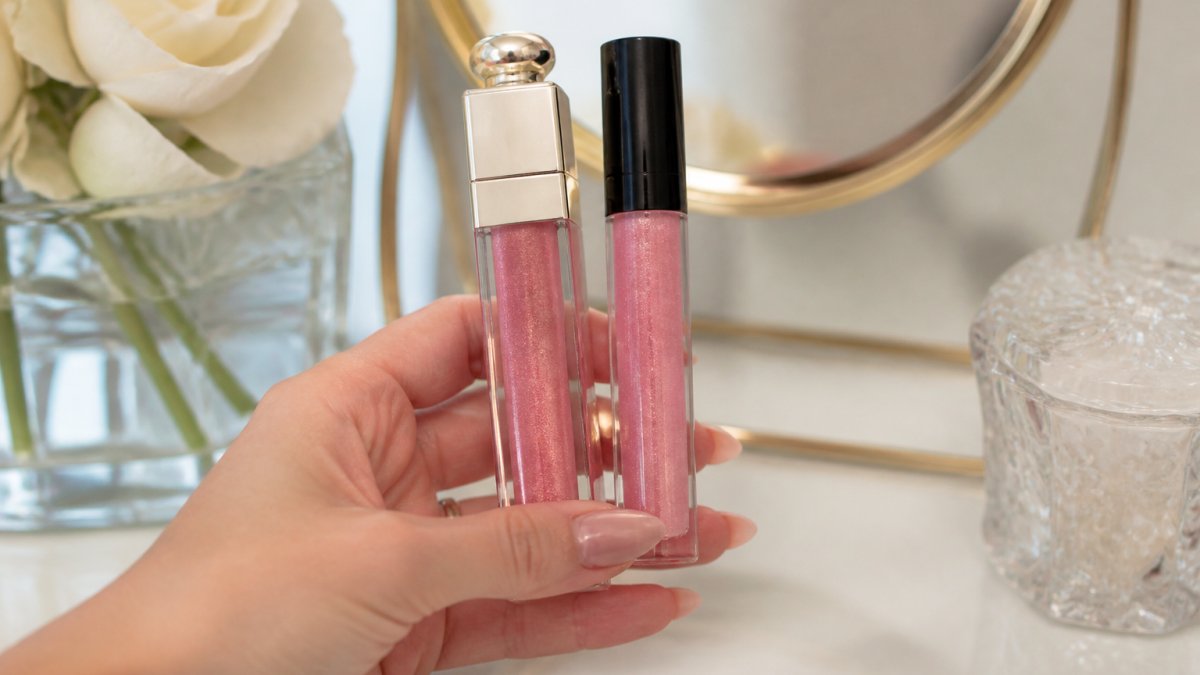
Luxury and drugstore glosses can look identical in the tube and behave very differently on the lips. The gap usually shows up in texture, wear, and how often you need to reapply, not in the shade name.
A Transparent Comparison Method
Impressions are unreliable. A gloss that feels lovely for ten minutes can turn tacky by lunch, and a budget tube that seems sticky at first can settle into something comfortable. To judge value consistently, score both products on the same criteria under the same conditions:
- Shine: Apply both at the same time and compare the finish in the same light. Note whether the shine reads mirror-like or merely wet, and whether it fades evenly or goes patchy.
- Comfort: Wear each for a full day, including a meal and a hot drink. Note when, if ever, it turns tacky, dries, or starts to feel heavy.
- Longevity: Track how many hours pass before you feel the need to reapply, and whether the fade is graceful or forces a full reset.
Score each criterion on a simple scale, say, 1 to 5, and compare totals. The point isn't to crown a winner in the abstract; it's to see where each product earns its price and where it doesn't.
Texture, Stickiness, and Comfort
Stickiness is the most common complaint about gloss, and it's the clearest dividing line between price tiers. Cheaper formulas often rely on heavier tackifiers to hold shine, which is why they grab at hair and feel thick by midday.
The mechanism matters here. Tackifiers are ingredients that create a sticky film to help shine and color cling to the lips.
Shine, Pigmentation, and Shade Range
Shine and pigmentation pull in opposite directions. Sheer glosses deliver maximum mirror finish with minimal color, while pigmented glosses trade some reflection for opacity.
When comparing shade ranges, look at more than the count. Check whether the range includes shades that work across different lip tones and undertones, and whether the sheer shades actually show up on deeper lips or disappear.
What the Differences Usually Look Like
| Factor | Luxury Lip Gloss | Drugstore Lip Gloss |
|---|---|---|
| Texture | Often cushioned and lightweight | Varies widely; sometimes heavier |
| Stickiness | Usually minimal, but not guaranteed | Common complaint, but improving |
| Shine | High and often more even | Good, can fade faster |
| Shade range | Broader, often undertone-focused | More limited, especially in-store |
| Wear time | Often longer between reapplications | Frequently needs touch-ups |
| Cost per use | Can be lower if worn daily | Lower upfront only |
The table is a starting point, not a verdict. The real answer comes from scoring both products on the same criteria and seeing where the price difference actually shows up, and where it doesn't.
How Much Should Lip Gloss Cost? Breaking Down the Price
There's no single right price for a gloss, but there is a right price for how you'll use it.
When you're weighing best luxury lip gloss options, look past the sticker and ask three questions:
- Does the formula feel good enough that you'll wear it daily?
- Does the packaging hold up and feel worth keeping on your vanity?
- Does the wear time reduce how often you reapply?
If the answer to all three is yes, the higher price usually pays for itself in daily use. If you wear gloss occasionally, a lower-cost option may serve you just as well. Lauren Lux Beauty™ keeps its editions small and considered.
Long-Lasting Lip Gloss: Wear Time and Reapplication
Long-lasting lip gloss is less about a single application and more about how gracefully it fades. A gloss that wears down evenly lets you reapply without a mirror; one that patches or turns tacky forces a full reset.
Most glosses need reapplication through the day, especially after eating or drinking. The luxury advantage is usually the quality of the fade, not immortality.
Our approach is simple: build a gloss that feels light enough to reapply without thinking.
Ingredient and Sensitivity Considerations
Sensitive lips react to formulas, not price tags. Fragrance, certain preservatives, and heavy tackifiers are common triggers, and they appear in both drugstore and prestige products.
If your lips react easily, read the ingredient list before the price. Look for short, emollient-forward formulas and patch test anything new. A higher price doesn't guarantee a gentler formula, but luxury lines often give you more detail about what's inside.
- Patch test on the inner arm before full application
- Avoid heavy fragrance if you've reacted before
- Choose nourishing bases over tacky ones for daily wear
- Check expiry dates and replace products past their prime
Value by Use Case: When Expensive Lip Gloss Is Worth It
Expensive lip gloss is worth it when the formula earns daily wear and the experience adds to your routine. It's not worth it when you're paying for a name you'll use twice.
Here's how we'd decide:
- Daily wearer, office setting: a comfortable, non-sticky gloss pays off fast in cost per use
- Occasional wearer: a mid-range or drugstore option covers you fine
- Sensitive lips: prioritize ingredient detail over price tier
- Vanity ritual: packaging and experience count, and that's a legitimate reason to spend
At Lauren Lux Beauty™, we built our glosses for the first case: women who want a polished, everyday glam look that transitions from morning routines to evening events without feeling heavy.
Frequently Asked Questions
What makes a lip gloss worth the price?
A lip gloss is worth the price when the formula delivers on comfort, wear time, and finish without constant reapplication. Look for nourishing ingredients, a non-sticky texture, and a shade range that flatters your undertone. Cost per use matters more than sticker price: a gloss you reach for daily at a higher price can cost less per wear than a cheap one that sits unused. Also consider packaging and applicator quality, which affect application precision and product longevity.
Do expensive lip glosses last longer than drugstore glosses?
Not always, but luxury formulas often invest in film-formers and emollients that improve adherence. However, wear time depends on texture and application. A long-lasting lip gloss may feel drier, while a cushiony gloss needs more frequent touch-ups. Testing side by side is the only reliable way to compare. Some drugstore options have strong reputations, but luxury glosses are noted for hydration and comfort that may reduce the need to reapply for some users.
Are luxury lip glosses less sticky than affordable ones?
Many luxury glosses are formulated to feel cushiony rather than tacky. That said, stickiness varies by product, not just price. Some drugstore glosses also offer comfortable wear. The key is to read ingredient lists and reviews focused on texture. If stickiness is your main concern, look for glosses with a lip oil base or those explicitly labeled non-sticky.
How much should lip gloss cost for everyday wear?
There is no single answer, but consider cost per use. For everyday wear, aim for a formula that balances comfort and wear time. If you reapply often, a lower-cost option may be practical. For special occasions or if you value packaging and ingredients, a higher price can be justified. Always check the brand's return policy before committing.
The real challenge isn't finding a gloss that looks good in the tube, it's finding one you'll actually wear every day. Lauren Lux Beauty™ makes mirror-bright glosses formulated to nourish and never feel sticky, with lightweight comfort for all-day wear and signature packaging worth keeping. If you want a gloss that turns your morning routine into a quiet, intentional ritual, shop Lauren Lux Beauty™ and find your everyday luxe.